 Mackay Island National Wildlife Refuge
Mackay Island National Wildlife Refuge
Mackay Island National Wildlife Refuge
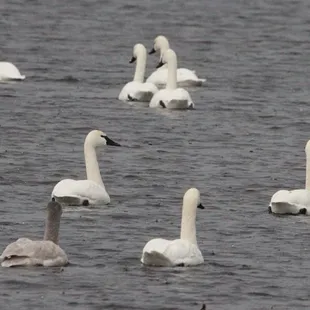
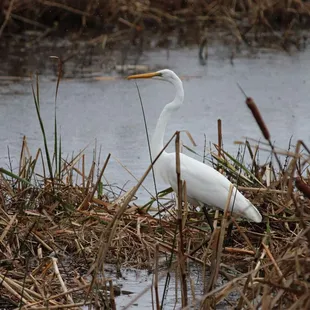
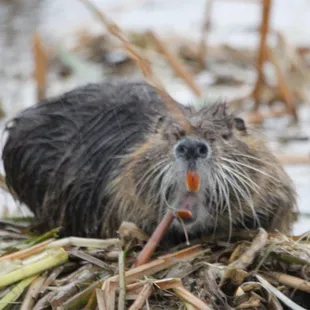
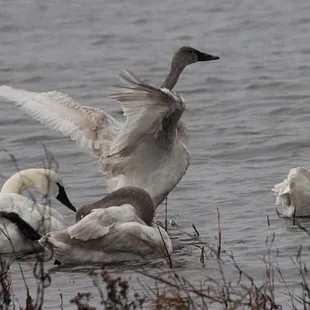
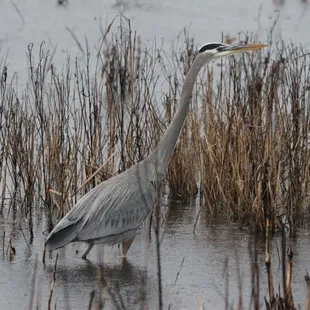
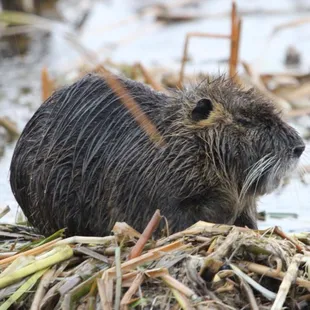
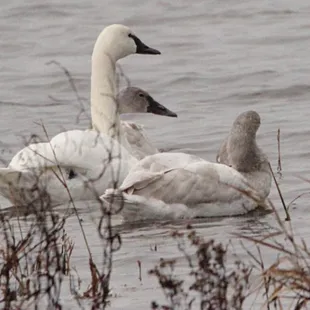
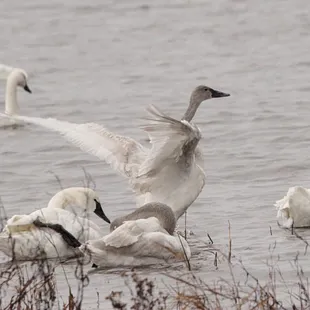

J David H.
Dec 10, 2023
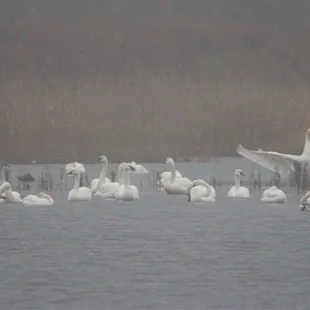
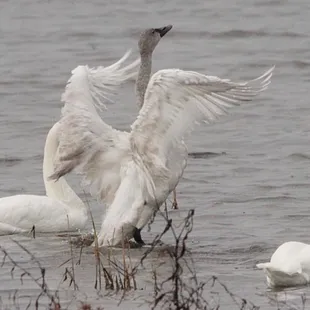
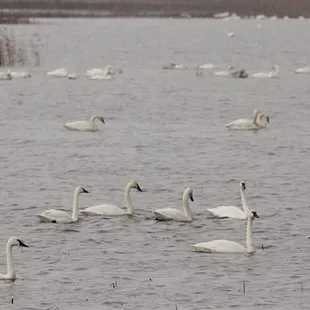
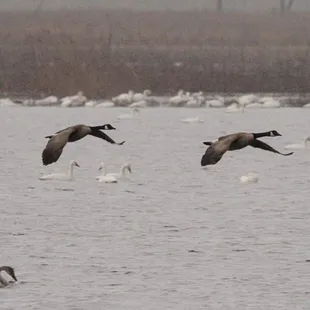
On this rainy Sunday newly arrived Snow Geese from Greenland and Russia have arrived. This has been a bucket list for years. Hundreds of these geese, named for their white plumage, have landed in North Carolina. The snow goose is mostly covered in white feathers, but has black wing tips. They are typically native to Greenland, Canada, Alaska and the northeastern tip of Siberia.While seemingly rare to most people, there's another type of goose that's far more rare to spot along the Atlantic Coast that has also arrived- the Blue Ross Goose. Its color mutation is controlled by a single gene. This bird was the inspiration for cartoonist J.N. Darling to create the symbol of the the National Wildlife Refuge System. Populations of blue geese are found mostly in central North America and very rarely come to the east coast.Snow Geese fly to the Arctic and subarctic zone of North America, as well as marginal areas of neighboring Russia and Greenland to breed each year. They time their arrival to coincide with the melting snow and thawing ice. The tundra of the far north provides rich foraging grounds and a relatively safe place for these birds to raise their family. At such high latitudes however the summer is short-lived, and the birds must head south because they cannot survive the coming harsh winter.Once breeding is complete, the birds molt and then begin a long migration. The timing of migration is highly dependent on weather conditions, but normally begins shortly after the first snow begins in mid August and is usually completed by December. The migration is a pretty drawn out affair that lasts 3 or 4 months, making long stopovers at regularly used staging grounds to refuel for the next leg. They will begin their northward spring migration as early as February from the south and arrive at their breeding grounds by the end of May.Geese form lifelong pairs on their second northward spring migration. They will mate for life and return to the same nest site year after year.
Read More
Alison M.
Jun 19, 2021
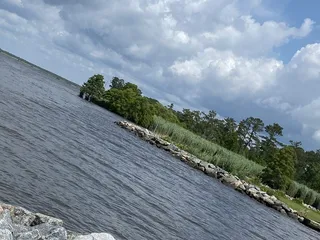
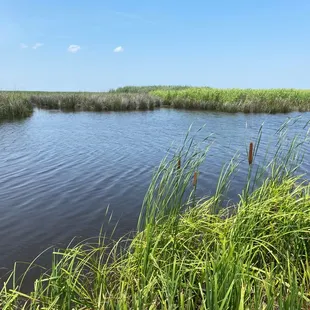
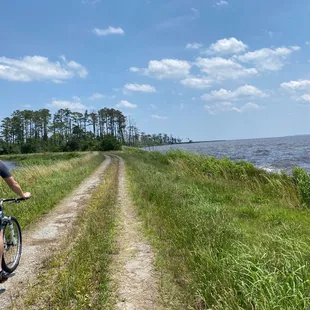
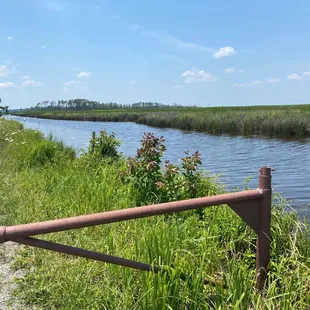
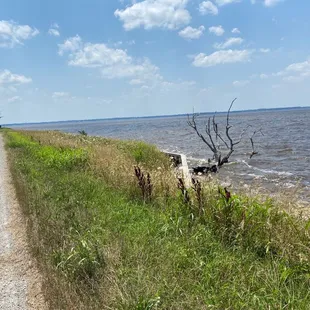
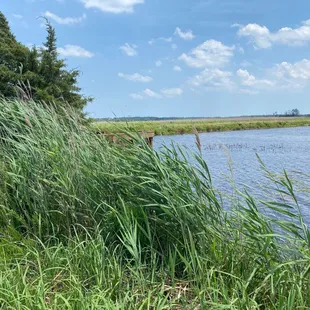
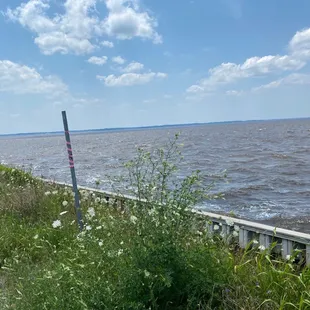
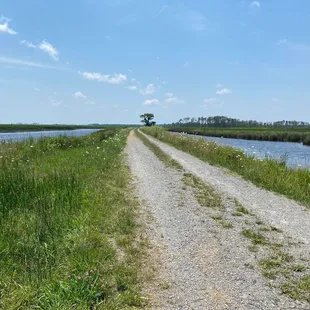
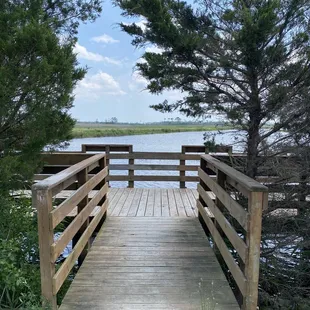
If you have never been to this spot - you are missing out. This summer I have made it my mission to bike all the local refuge, parks, and trails and I have found some real gems but this has been my favorite so far. Mackay Island National Wildlife Refuge is just across the Virginia/North Carolina border (through Pungo and Princess Anne Road) and takes up most of Knott's Island. There are two primary entrances and during COVID the facilities are closed but you can still adventure, hike, fish, ride bikes, bird and wildlife watch, and enjoy! Most of this refuge is made up of marsh land and I rode the loop from the end of the entrance road parking lot fully around earlier today which was around 5.5 miles total and it was beautiful. I saw huge cattails, tons of white baby's breath flowers along the trail, turtles, birds, fish, and white and blue herons! No snakes surprisingly. There is no shade on the trail so come prepared with tons of water and hats and sunscreen. Water and marsh on both sides and beautiful, beautiful, scenery is what you will be treated to here. It is a must see. My all-time favorite so far this summer!
Read More
Alicia R.
May 27, 2023
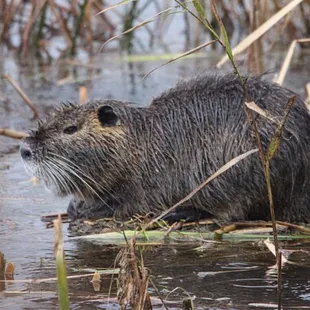
Beautiful. Lots of turtles and otters. People do need to stop trying to pick the lotuses though.
Read More
Patrick D.
Jul 5, 2009
A nice wildlife refuge, and birthplace to More Game Birds in America Foundation. Good place to view wildlife.
Read More
Joey H.
Oct 25, 2021
I love this place. It's an awesome place to take your family for the day and just relax.
Read More