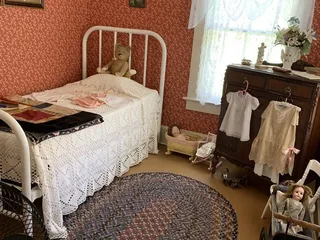
 Fort Huachuca Museum
Fort Huachuca Museum
Fort Huachuca Museum
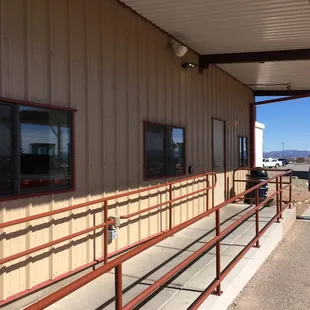
Registration Center
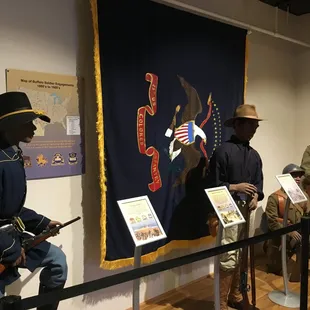
Historical Uniforms -Spanish-American War, Indian Wars, The Great War
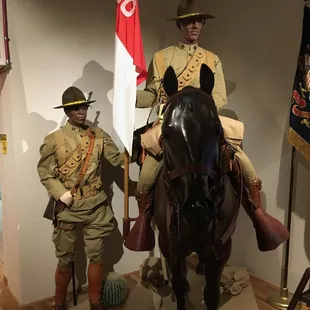
10th Cavalry's Last Campaign
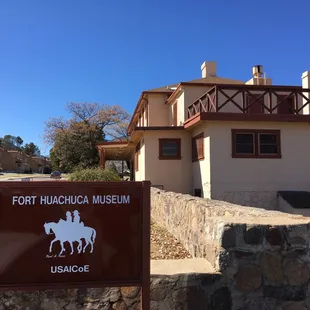
Walkway
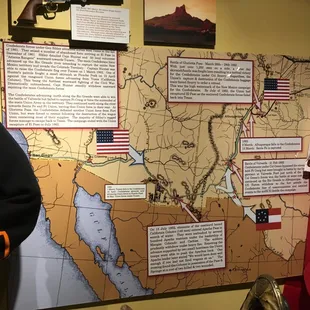
Civil WarTimeline
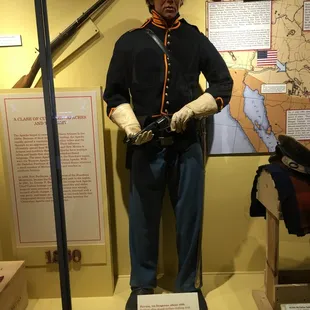
1860 Dragoon Uniform
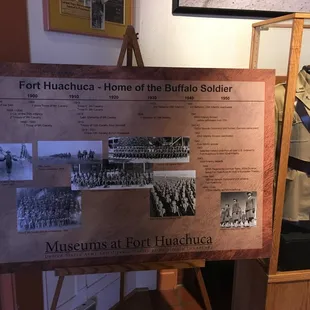
Fort History Timeline
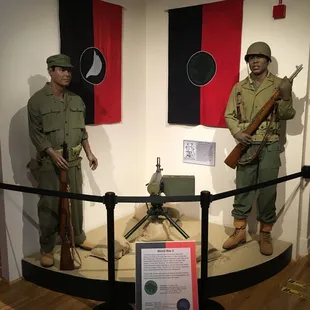
Historical Uniforms
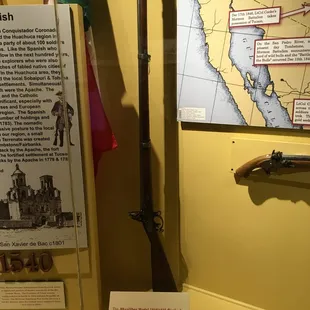
.69-caliber 1816 Flintlock
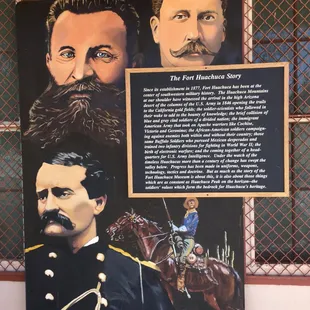
Information
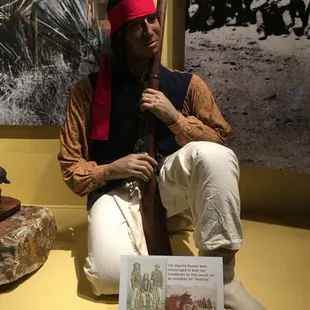
Apache Scout
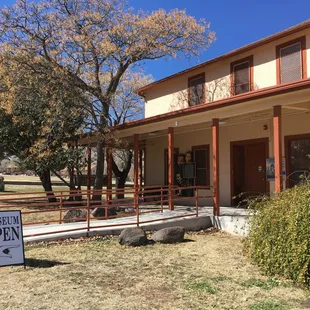
Front View
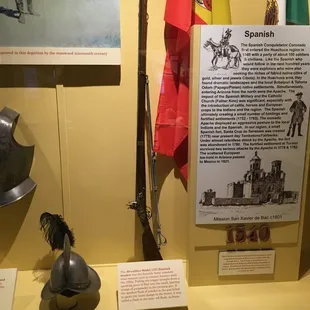
.69-caliber 1757 Flintlock
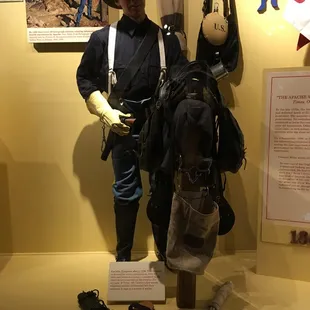
Period Uniform
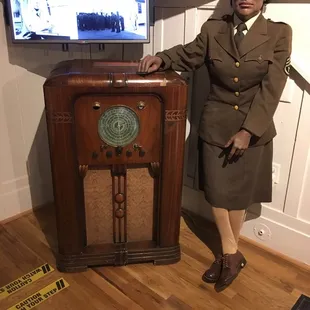
History Of Women At The Fort
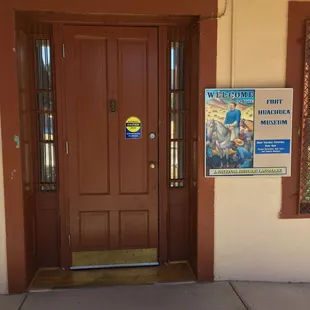
Entrance
Richard F.
Feb 20, 2019
If you want to visit the museums you first have to go through a security check. You must enter the Van Deman Gate (East Gate), park your vehicle in a lot to the right, then go into the Visitor Control Center (VCC). You take a number and an information sheet to fill out. You need your drivers license and know your SS number. You will then be called by number to go to a window to be interviewed by Security. Once they verify your identity, they will photograph you and issue a security pass(good for 30 days) that will give you access to the base and the Museum Buildings.This Buffalo Soldier Museum is dedicated to the history of the U.S. Army in the American Southwest. Of particular importance, it tells the story of the Army's 10th Cavalry Regiment, the fighting unit more famously known as the Buffalo Soldiers, the all-Black regiment established immediately after the Civil War.After the Civil War, the U.S. Army formed regiments of Negro men, most of whom were former slaves, and many of whom had served in the United States Colored Troops (U.S.C.T.). The cavalry units were the 9th and 10th Cavalry, and the infantry were the 38th, 39th, 40th, and 41st which several years later were consolidated into the 24th and 25th infantry units. Black infantry troops often fought side-by-side with the black cavalry.These African-American soldiers were called "buffalo soldiers" by the Plains Indians. No one today is quite certain why. Some say it was because the men were as rugged as buffalo and others say that it was because the Indians saw a resemblance between the Black soldier's hair and the buffalo's shaggy coat. It has also been pointed out that many Black soldiers favored long buffalo-robe coats. Although the name was primarily applied to the cavalry, it was sometimes extended to include the Black infantry.After the Civil War, African Americans faced horrific discrimination. Some men enlisted to escape hopeless poverty and gain a certain respect, even though they were segregated from White troops. The Buffalo Soldiers fought in the Plains Indian Wars, the Apache Wars, the Spanish-American War, and The Punitive Mission against Mexico ordered by President Wilson and led by General John Pershing. Pershing had earned his nickname, 'Black Jack,' by leading Black regiments early in his career.By all accounts, these Black regiments distinguished themselves in service to their country, despite being given inferior horses and equipment.
Read More
Jon A.
Sep 3, 2017
Great little museum showcasing Fort Huachuca's history, with particular focus on the Buffalo Soldiers. The museum annex displays the base's current role as the home of the US Army Military Intelligence Corps. Fantastic visit for history and military intelligence buffs.Show up a little early. You will have to enter the visitors building, at the front gate, and apply for a pass to enter the base. It's free, but expect it to take 20-30 minutes.
Read More
Chris K.
Jun 6, 2016
Wasn't too impressed and if you don't have a military ID card be ready to spend 20-30 min filling out paperwork for a background check. Kinda a hassle especially if people are in front of you. I went on a Monday and let the guards know where I was going. They didn't even tell me that it was closed on Mondays until I drove 20 min more on base to find it (which there are barely any signs directing you). So I got there and it was closed. Wow. Waste of time. Won't go back.
Read More
Laurie B.
Mar 9, 2024
Worth the work to get on base to see. We had to stop and get a special security pass. All staff were helpful and professional. The museums and surrounding historic buildings were great to visit and see. Interesting and proud history. Thanks to all the serve
Read More