 China Alley
China Alley
China Alley
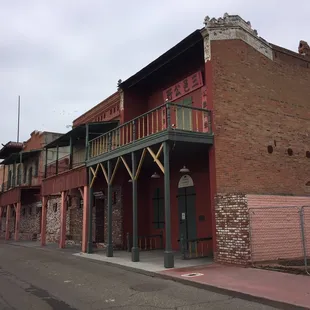
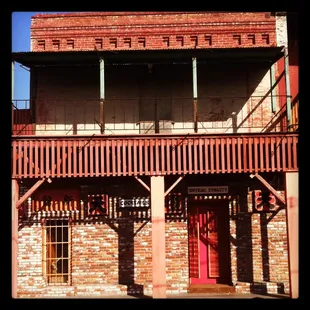
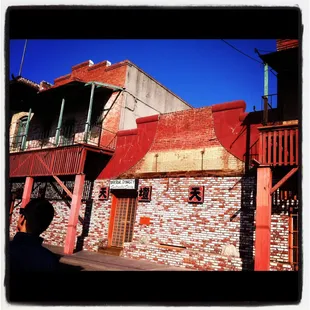
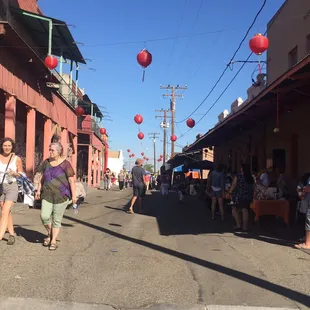
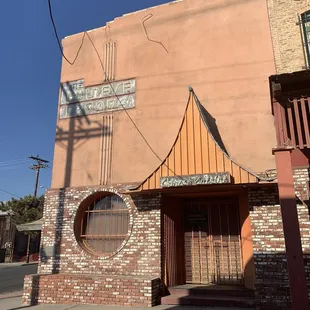
The north side of China Alley
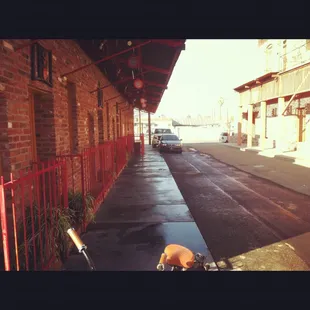
really is just an alley! :)

Jeffrey W.
May 1, 2022
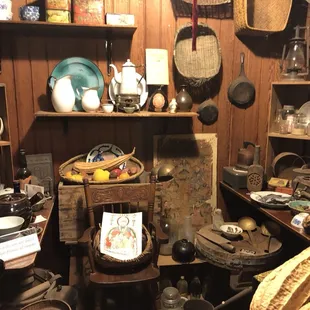
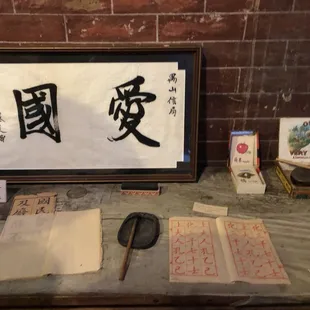
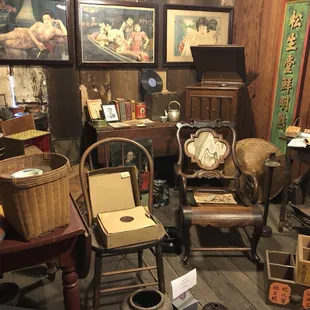
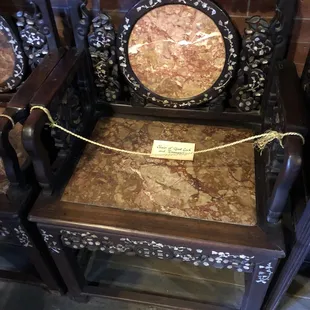
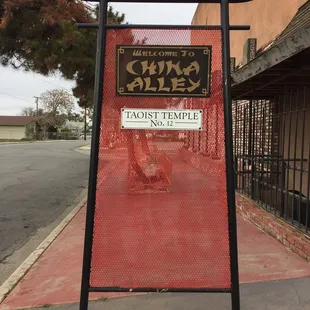
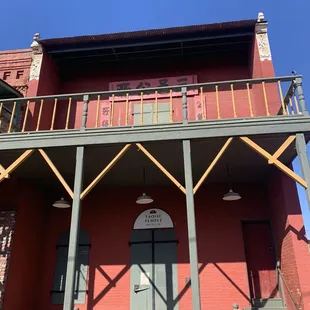
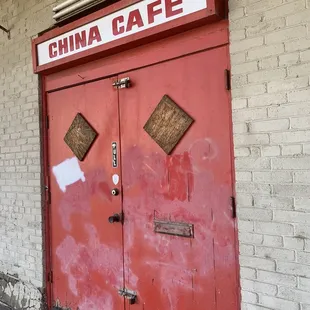
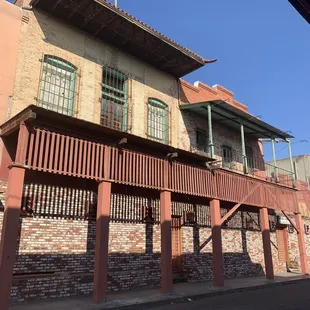
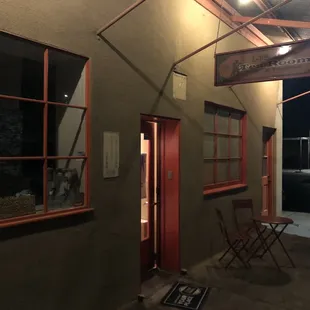
Much history here in China Alley. I used tio come here as a kid with my parents. They just recently had a fire in one of the buildings bt had minimal damage than goodness. But as I figured Id be there when the doors were closed. I strolled through and took some pics. It was fun.
Read More
Alisa J.
Jul 7, 2018
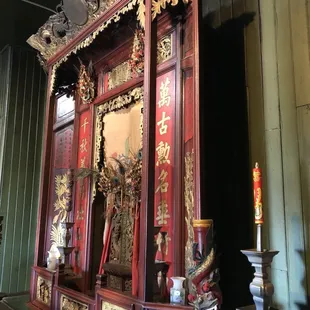
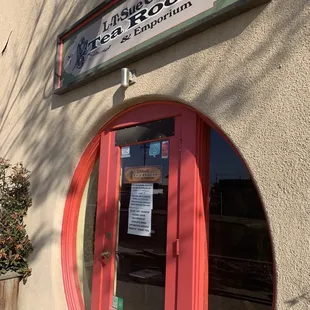
While visiting my hometown, we timed our visit well to allow us to visit the one day a month the Taoist Temple and Museum were open (first Saturday each month). It was such a treat to see this as I'd never been. It's small but there's so much of Hanford's history here. I wouldn't say it's especially family friendly, however the docents/volunteers all were so kind to involve them and teach them some things about what they were seeing. We also visited the Tea Room which was really nice with a wonderful selection. I'd love to be in town for the Moon Festival in October.
Read More
Andrew D.
Jan 14, 2017
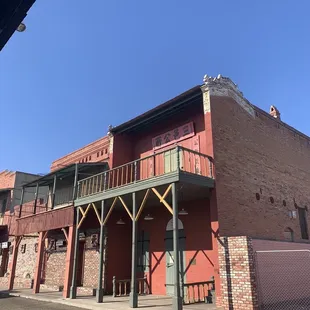
This place is mainly of historical interest. It is the old Chinatown in the old downtown of Hanford. It is one block long and has a lot of old buildings. Unfortunately I was there on a day when everything was closed. I looked around for a few minutes and then left.
Read More
Jessica C.
Oct 13, 2018
I love the tea selection. I believe the woman who served us was the owner and was so delightful! I enjoy the atmosphere here. It isn't busy which I find shocking. Out tea was brewed to perfection. It was not too sweet which many tea shops do. I will definitely have to come back and sit down to eat!
Read More
Paul M.
Jun 1, 2015
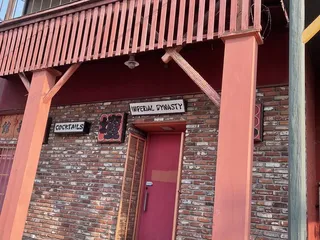
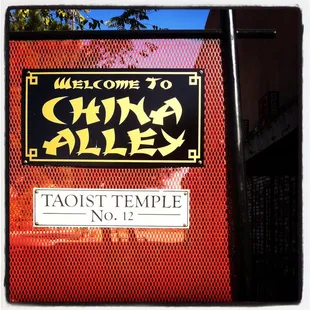
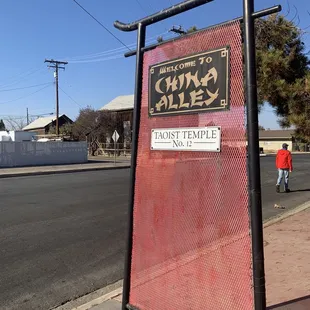
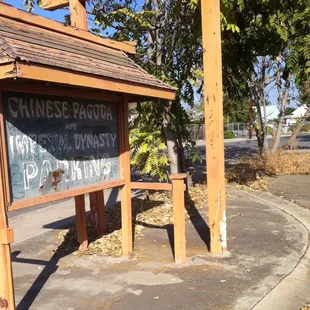
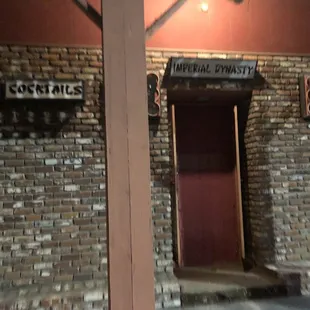
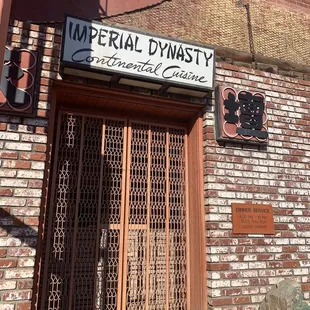
It is a shame that the Imperial Dynasty closed it doors in 2006 (see review), but China Alley's Taoist Temple Preservation Society, keeps at least the temple going. You can still visit the Temple & Alley on Sat.. You can also Goggle it & find a link to contribute to this almost forgotten piece of Chinese-American History. I will quote from their website as follows:"Everything you ever wanted to know about China Alley.China Alley in Hanford, California traces its roots to 1877, when the Central Pacific railroad was extended westward into the area and the new town of Hanford was formed.Numerous Chinese came to the area, many initially to help build the railroads, but others came for farming and agricultural purposes. China Alley grew rapidly and the Chinatown prospered to include restaurants, homes, boarding houses, grocery stores, laundries, herb shops with reputable herbal doctors, sundries stores, gambling establishments, a Chinese school and a Taoist Temple. It soon became known as a "city within a city" with buildings lining both sides of the alley made from bricks formed and fired on site.Visiting Hanford's China Alley Historic District is a fascinating adventure that allows us to step back into history. As visitors enter China Alley today, they are met with a sense of historic ambiance that is reminiscent of a strong cultural heritage. Many of the buildings lining the alley are visually unaltered and remain largely as they did over 100 years ago.Various myths and folkloric legends have weaved their way into tales of this historic Alley. It has been alleged that the population of Hanford's Chinatown went from a small but thriving number of residents to a crowded metropolis rivaling the Chinatowns of San Francisco and Los Angeles. The stories of underground passageways that connected the basements of some merchants on China Alley have been wildly embellished to include tall tales of an expansive network of subterranean tunnels that reached far away from the Alley's core.Some minor alterations to the ground floor of several of the buildings occurred while creating The Chinese Pagoda and Imperial Dynasty restaurants in the late 1950s. These restaurants were established and operated by the Wing family and once served as a catalyst for the revitalization of China Alley. For nearly 50 years until its closure in 2006, the Imperial Dynasty was recognized as a world renowned restaurant serving continental cuisine. The restaurant became famous for its gourmet dinners, extensive wine cellar, and escargots bourguignon. Certified executive chef Richard Wing is widely credited as the originator of fusion cuisine as he combined Chinese and French cooking techniques that became known as Chinoise.One of the highlights of China Alley is The Taoist Temple Museum, listed on the National Register of Historic Places. The Temple and Museum offers a rare and authentic experience of entering a unique and historic cultural structure that has remained mostly unchanged over the years.Upstairs in the Taoist Temple Museum, the original Temple exists where visitors are first met with large plaques covered with Chinese characters that list the names of members of the Sam Yup Association who donated funds for the construction of the building. On the south wall are wooden figures of the eight immortals while their corresponding ceremonial staves are displayed next to the stairwell. In a corner of the room is a ceremonial brick oven in which symbolic paper money or clothing was burned as an offering to an individual's ancestors. Silk embroideries throughout the Temple featuring animals, birds, and shiny objects have various symbolic meanings. A variety of tools used for individual worship remain where they were once used. Apparent on the ceiling are different methods of lighting from bygone eras that were used to illuminate the Temple. A separate room behind an elaborate altar served as a schoolroom so children could learn of their cultural heritage and beliefs.The street level of the Taoist Temple Museum includes rooms that once served as sleeping quarters for single men. These rooms now reveal a variety of artifacts from the everyday life of Hanford's Chinese residents including kitchen items, gambling matter, and articles and furnishings from several of the Alley's herb shops. Along the walls of the single hallway are photos of the early populace and structures of the area. A small shop occupies the front of the ground floor where informative books and commemorative items can be purchased with the proceeds used to assist in ongoing maintenance of the Temple and the restoration of other buildings in the Historic District."
Read More
Amanda D.
Mar 2, 2018
Very informative history. Tour takes you back in time. Highly recommended if you like history.
Read More