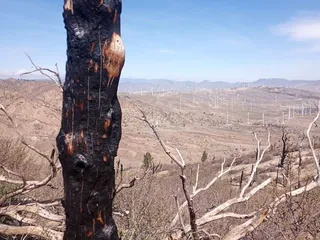
 Desert Tortoise Research Natural Area
Desert Tortoise Research Natural Area
Desert Tortoise Research Natural Area
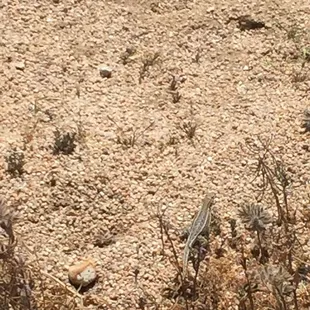
Lizard, lizard
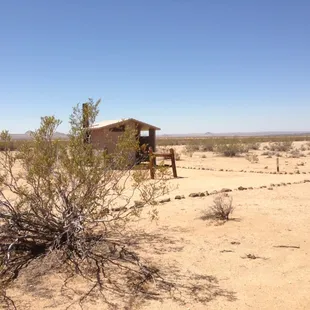
Restroom
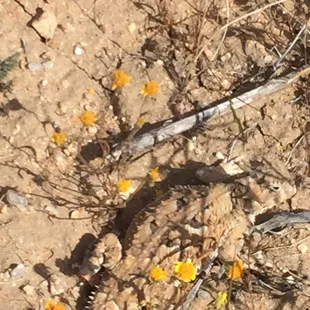
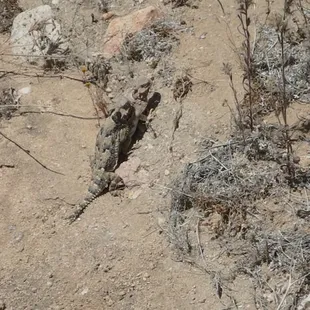
Horned lizard out and about
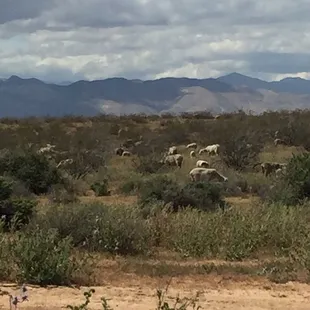
Someones flock of sheep 1-2 miles away from the preserve on the main road, Ransdburg-Mohave
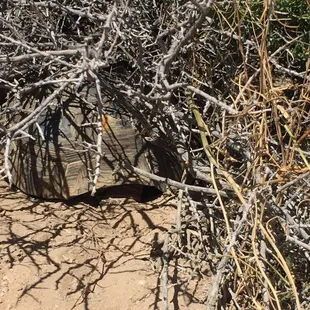
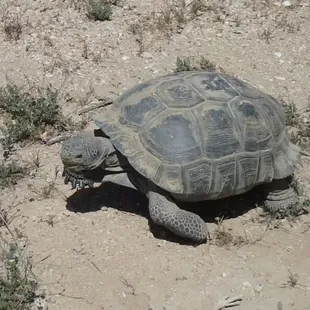
Back end of the burrowed tortoise
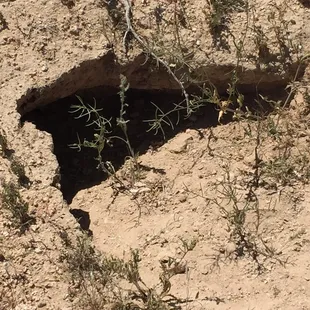
Tortoise burrow
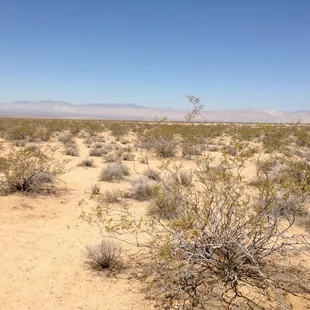
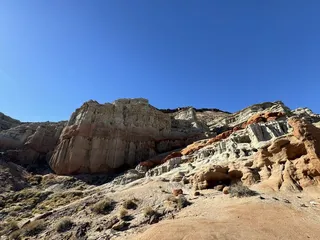
Desert
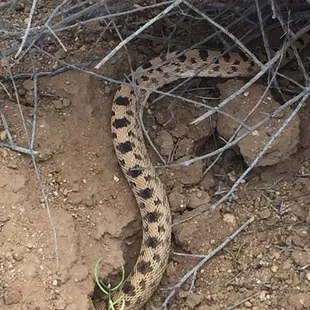
Gopher snake slithering into its home.
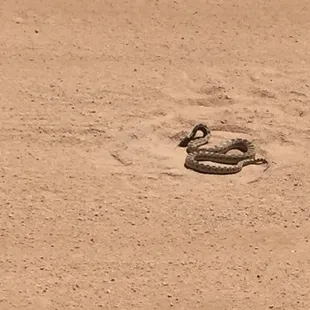
Dead rattler outside the preserve fence about a mile away from the entrance.
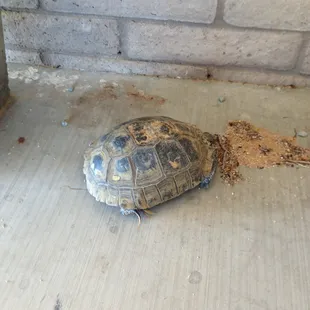
They call her Starfoot
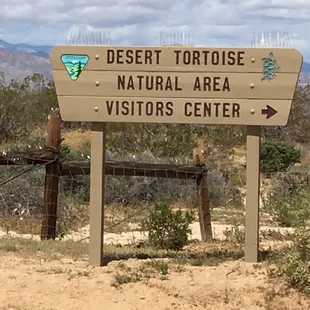
Entrance sign
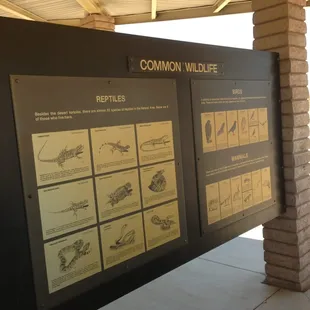
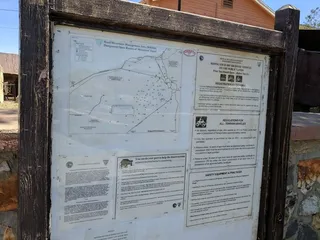
Kiosk
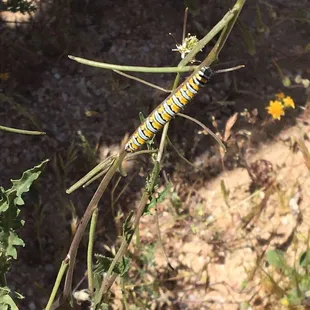
Caterpillar
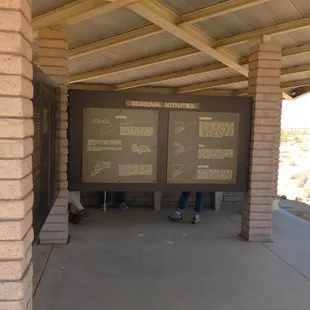
Kiosk
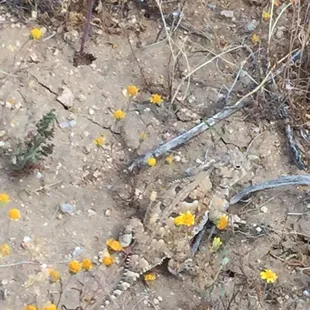
Hornedl lizard again
Janelle J.
Apr 14, 2017
Call it a bit of beginner's luck but my three children and two nieces, ages3-15, and I had a great experience. We got some guidance from Ms. Sharon on some earlier tortoise sightings and took that loop. We saw plenty of lizards, including a couple horned lizards, caterpillars, gopher and rattle snakes, empty tortoise burrows and finally just before turning to head back, a desert tortoise. Mission accomplished! He was burrowed but we still saw him. Yes the bathroom isn't that great but it was clean in general. Don't look in the whole, lol. It's a fine piece of construction for an outhouse. I believe I saw a sidewinder just outside the preserve fence while I was trying to find the entrance. It was moving so fast and peculiar from average snake. Tip: stay on Randsburg-Mohave Rd to get to entrance.
Read More
Ellen F.
Apr 17, 2016
Better than Coachella! We got up on a Saturday in Mid-April hoping the rains would have been good enough this year and the winds had died down. It was a perfect day! Drove up from LA and got there around 10am. According to the naturalist Jill, these creatures spend most of the year burrowed into their little hiding places beneath the creosote bushes to avoid the hot hot heat. (And the people off-roading.)I thought that's what the hard shells on their backs were for - shelter - but it turns out they're not air conditioned! It's hard enough carrying one's home on one's back - but in the heat?! And then there's the ravens picking off the little ones - these guys work SO hard! Let's face it - they're doomed. So you might as well come on out and try to see one and take some footage so that in fifty years you can show your offspring what kinds of beautiful creatures inhabited the earth before we all had to stay inside our purified air compounds. Progress!Anyway - staying on the designated paths near the tasty foliage and washes will probably increase your chances of a sighting - it also allows other visitors to wave you over if they spot one. We also saw two horned lizards - more like horny lizards - getting busy.
Read More
Paul L.
Sep 18, 2011
I have had the Desert Tortoise Natural Area (DTNA) on my list of places to visit for a few years. Since I was camping nearby, I jumped at the opportunity.Passing through sleepy and imprecisely-named California City then on to the sandy Randsburg Mohave Road, it became clear why the desert tortoise -- California's official state reptile -- has been facing extinction. Housing has encroached and off-road vehicles play in this habitat seemingly disconnected from the consequences of their actions.Reaching the DTNA, the large amount of special fencing at the perimeter illustrates the amount of effort required to protect these animals. A gravel parking lot, pit toilet and small interpretive kiosk are the only amenities so come prepared for the visit and the weather.Interpretive brochures are available on the trails to lend perspective and, perhaps, more importantly, lower expectations. I walked all of the flat trails and aside from some small lizards and long-eared rabbits, I saw no tortoises or even the really venomous Mohave green rattlesnakes. If you're into creosote bushes, though, this is the place for you. Unfortunately, there's not much to inspire taking out the camera.So, did I like my experience? Well, I wasn't sure but I sorted this out as I sat watching the sunset back at my campsite. It's not about the visitor at all: it's about the tortoise. It's reassuring to know that this protected area exists and that many volunteers and experts have devoted so much of their time to the cause of saving the tortoise. That feels good.Selfishly, I'll be back in the Spring when the desert flowers are blooming and maybe I'll be lucky to see a tortoise or two basking in the milder temperatures.
Read More
Timothy C.
Aug 11, 2018
Understand what this is: a protected place in the desert. It's off the beaten path a bit, you have to take a bumpy dirt road for a few miles to get there. When I did, the gate told me that it was open from 7 am to 5 pm daily. It was 7 PM, and the gate was wide open. I was a little nervous about getting locked in, but I went anyway. I was the only car there. A small parking lot welcomed me, and there was a little pavilion with some educational materials posted. There are nice little hiking trails lined with rocks, and numbered posts. Some free brochures tell you what to look for at each post. I went late in the evening because I thought it might increase my odds of seeing a tortoise. I took the small loop, and didn't see any wildlife to note. But that's ok. This place is NOT a zoo. If you can enjoy the natural beauty of the Mojave, you will like this place. Just don't expect any guarantees. If you want to increase your odds of seeing a tortoise, come after a rain, or in the spring. If you're just looking for a relatively flat place to hike in the desert that's secluded and quiet, you'll like it a lot.
Read More
Linda H.
Mar 1, 2016
There is also another Yelp page for the same place. Same title, but without the "Research" word in the title. They are the same place, right?I love what Paul L. wrote. This place is for the tortoises. It's minimal. These are amazing fairly defenseless animals. They need places like this or they will not go on. I found the Desert Tortoise Natural Area to be peaceful and lovely. I came before the tortoises were out for the season but was still happy to be there. It was a beautiful 67 degree afternoon in February. There was more green vegetation than is there most of the year. No one was there. I was sad driving in. I passed 3 things that are big threats to the specific habitat these guys need. I drove by a field of solar panels, new houses, and signs about off-road vehicles. The disease issues and vulnerability to crows and other wild animals was invisible. There are signs telling you not to let your pet tortoise loose and signs not to touch or bother the wild ones. I hope people respect that.I recently lost a desert tortoise I grew up with, who was rescued by a great uncle who passed in the 1970's. I am sorry he was not able to live his life in the wild. Once they've been taken out, which they should never be, they should not go back. So I took it upon myself to protect him. My mother's story is that her uncle got him away from some boys who were throwing him like a football. My mother, who passed in her mid-80's, remembers visiting him when she first started college. He was old, but I expected him to outlive me. He was not immortal.Once they are in human hands, those human hands have inherited an awesome responsibility. As the third generation in my family to care for him, I educated myself as much as I could. I worked to get him on a much improved diet and a better outdoor situation. Veterinarians in the 70's, when my dad inherited him, told us to feed him dog kibble. He ate dog kibble and romaine lettuce only for several years. That was terrible advice. By 2000, he had a huge bladder stone and almost died in surgery. We couldn't know about this stone until it was large and he had blood in his urine. He lived many years after this. His last years were spent eating hand selected, specific, desert tortoise approved, organic weeds and flowers, in an escape proof tortoise focused yard. He was eating dry, low protein grass. He was drinking fresh water. He had a blood draw every year. His exotics vet was to inherit him when I could no longer care for him. I am not sure why he passed. It was a terrible surprise. I loved him with all my heart. He was an exquisite, gentle creature with character. I am truly heart broken.I am not rolling in money, but I will be donating the life membership amount, which is equal to about 5 years worth of appointments with his vet. You can find out more about it at www.tortoise-tracks.org . There are pamphlets at the reserve. I photographed them and left the few that were out there. I will take the long trek back here.
Read More
D. C.
Apr 23, 2013
DTNA was definitely worth driving down from the Bay area.Although the website says to "arrive bright and early" if you want to see tortoises, the gates of DTNA don't open until 8am. Rule #1: Be patient. Tortoises are on their own schedule; they didn't come out until after 11 am (or until it was 80F outside). But once they did, it was all great.Rule #2: Don't approach wild tortoise for more than 10 feet and move slowly. (They might get scared and lose all their water which would be fatal to them.) But what do you do when a tortoise decides to approach you?! We saw 3 tortoises and 2 of them were very friendly and were fully cooperating with us. They came up to us to hang out in our shades, touching and smelling our legs, possibly looking for food. You gotta have respect for these little guys. They have a hard life in the desert where water and food are sporadic. Often they don't get to eat or drink for weeks.DTNA is a great place if you want to learn more about desert tortoises, their way of life and how they deal with the harsh desert conditions.
Read More